
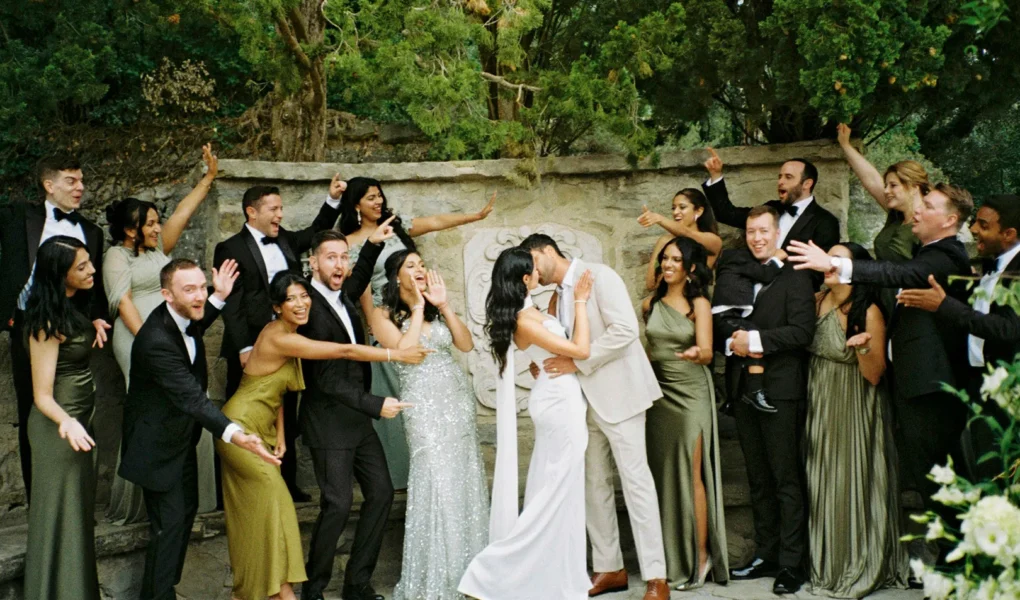
Knowing what to wear to a wedding can feel like navigating an unwritten rulebook filled with expectations and traditions. Whether you’re attending an elegant black-tie affair, a casual garden celebration, or anything in between, your clothing choices should reflect respect for the occasion and the couple while allowing you to feel confident and comfortable. This guide breaks down the essentials of wedding attire across different formality levels, dress code interpretations, and seasonal considerations, so you can arrive looking polished and feeling prepared.
Understanding Dress Codes
Wedding invitations typically specify a dress code, yet many guests find these labels confusing or unclear. Black-tie optional, semi-formal, cocktail attire, and casual chic all carry different expectations, and misinterpreting them can lead to showing up either overdressed or underdressed. Black-tie events demand tuxedos for men and formal evening gowns for women, representing the highest level of formality. Semi-formal occasions call for suits and dresses that are elegant but less rigid than black-tie, often featuring cocktail dresses or dressy separates. When a dress code simply says “casual,” it typically means nice clothes that are not beachwear or gym clothes, though this remains more flexible than formal codes. If the invitation leaves you genuinely uncertain, reaching out to the couple or a fellow guest can clarify expectations, and understanding what each term means prevents the discomfort of standing out awkwardly while showing that you’ve considered the couple’s vision.
Seasonal Considerations and Fabrics
The time of year you’re attending should directly influence your fabric choices and overall outfit structure. Summer weddings call for lighter materials like cotton, linen, and breathable blends that won’t leave you overheated during outdoor ceremonies or receptions. Winter events, by contrast, benefit from heavier fabrics such as wool, velvet, and thicker crepe that provide warmth and a more luxurious appearance. Spring and fall weddings often sit in a middle ground where layering becomes useful, allowing you to adapt to temperature changes throughout the day.
Color choices should also shift with the season. Jewel tones and darker hues work beautifully for winter celebrations, while pastels and lighter shades suit spring affairs. Summer weddings offer freedom to wear brighter colors, though guests should still avoid white or ivory unless specifically asked. Consider the venue as well: an indoor ballroom allows for different styling than an outdoor garden party. Pay attention to the invitation details about location and time of day, as these details point toward appropriate clothing weight and formality level.
Color Etiquette and Shoe Selection
One of the most important rules in wedding fashion is avoiding white, cream, or ivory clothing as a guest. These colors are traditionally reserved for the bride, and wearing them risks appearing inappropriate or competitive with the person being honored. Similarly, overly bright red and all-black outfits can feel more suited to cocktail parties than to marriage celebrations. Jewel tones, pastels, metallics, and earth tones are broadly safe choices that allow you to look polished without drawing unwanted attention.
Parents of the couple face their own distinct styling decisions, and those looking for elegant, occasion-appropriate options may find it useful to review modern mother of the bride dresses to understand the range of silhouettes and formality levels available for the most prominent family members in attendance. Your footwear should balance comfort with formality, as closed-toe heels or dress shoes suit formal events while nice flats, dressy loafers, or moderate heels are appropriate for semi-formal or casual weddings. Consider the venue’s surface, since outdoor grass may require different shoe choices than a polished ballroom floor. Avoid athletic shoes, flip-flops, or heavily worn footwear regardless of dress code, as these signal a lack of consideration for the occasion.
Accessories and Finishing Touches
Accessories serve as the final layer of polish that transforms a good outfit into a complete one. A structured clutch or evening bag adds sophistication, while jewelry should enhance rather than overwhelm your look. Formal events call for more refined pieces, whereas casual weddings allow for bolder or statement accessories. A tasteful tie, pocket square, or cufflinks can elevate a man’s suit, while a woman might choose a shawl, wrap, or statement necklace to complete her ensemble.
Hair and grooming matter equally as clothing when building a complete wedding look. Neat, intentional styling shows respect for the event and the people attending it. Men should ensure facial hair is groomed, and women might consider how their hair will look in photographs, particularly if seated near the couple. Subtle makeup and manicured nails complete the picture without requiring excessive preparation. These finishing touches don’t need to be expensive or time-consuming, but they demonstrate that you’ve taken care in preparing for the celebration.
Dressing for Different Wedding Styles
Modern weddings span a wide spectrum beyond traditional ceremonies, each with distinct fashion expectations. A destination beach wedding allows for lighter fabrics, sandals, and even linen suits, provided you still maintain an elevated appearance compared to everyday wear. Black-tie galas demand the most formal interpretation of your wardrobe, featuring tailored tuxedos and floor-length gowns. Rustic barn weddings or garden celebrations often embrace a more relaxed aesthetic while still expecting guests to dress nicely, making dressy separates or a cocktail dress perfectly appropriate.
Understanding the couple’s wedding style and venue helps you make clothing choices that fit the occasion. If you’re unsure, leaning slightly more formal is typically safer than appearing too casual. The couple’s invitation often provides clues through its design, wording, and venue description, all signaling what they envision for their guests’ appearance. Taking those signals seriously reflects well on you as an attendee and ensures you contribute positively to the atmosphere the couple has worked to create.
Conclusion
Wedding attire doesn’t need to be complicated or stressful when you approach it methodically and with respect for the occasion. By decoding the dress code, considering seasonal factors, following color etiquette, and adding polished accessories, you create an outfit that honors the couple while making you feel comfortable and confident. Whether attending a formal gala or a casual garden party, these guidelines ensure you’ll look appropriate and feel prepared. Taking time to dress thoughtfully demonstrates that you value the celebration and the people at its center, making your presence even more meaningful to the happy couple.