
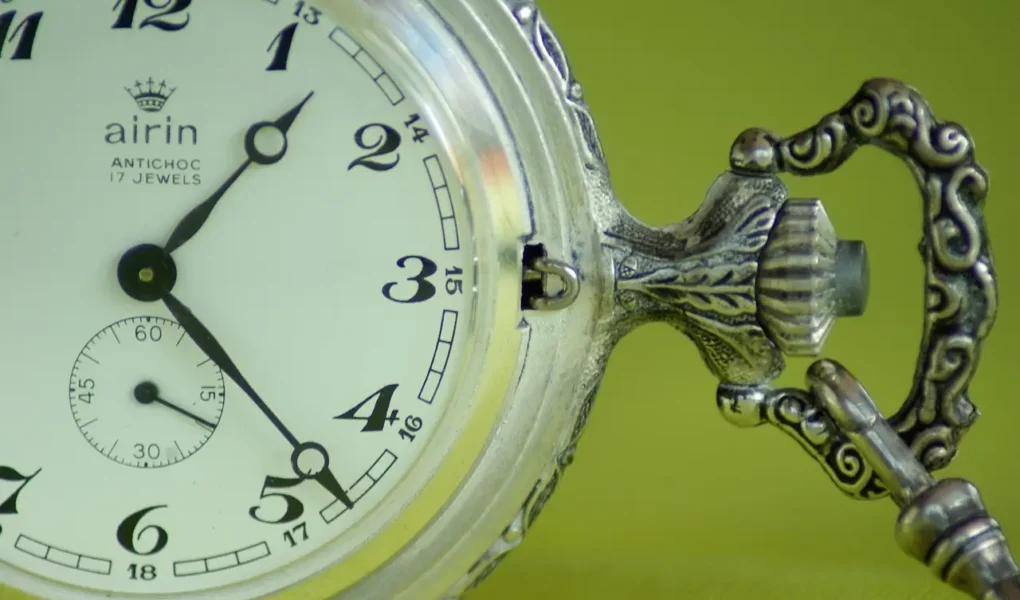
Luxury is often discussed in terms of buying something new, yet watches are built around a different idea. A good watch can remain useful for decades. Cases collect marks, movements require servicing and straps wear out, but those changes do not mean the watch has reached the end of its life.
That makes the watch on the bedside table an interesting answer to the pressure for constant novelty. A neglected piece may need a service, a clean or simply a strap that suits the person wearing it now. Restoring it to regular use can be more satisfying than adding another object to a drawer.
Table of Contents
Repair Culture Is Returning to Everyday Style
Across clothing and accessories, repair has become more visible. Resoled shoes rewaxed jackets and altered tailoring appeal because they extend the life of things that already have quality and personal value. Watches belong naturally in this approach. Their movements are designed to be maintained, while removable straps are wear components that can be replaced without changing the case or dial.
The strap often ages faster than the watch because it sits against skin, bends around the wrist and encounters rain, perspiration and sunlight. Cracking leather or tired stitching can make the entire watch seem worn out. Replacing that one component changes both comfort and appearance, while retaining the familiar watch itself.
A watch strap replacement can bring an old watch back into use
A thoughtful watch strap replacement begins by asking why the watch stopped being worn. If the old leather feels stiff, a softer calfskin or textile strap may solve the problem. If the watch looks too formal, suede, rubber or nylon can make it easier to wear with everyday clothes. If the original bracelet is heavy, a light two-piece strap can reduce the weight on the wrist.
This is where replacement differs from restoration. A historically accurate strap may be right for a rare vintage watch, especially if originality affects its value. For an ordinary family watch or a well-used daily piece, the better choice may be the strap that makes someone want to wear it again. Respect for the watch does not require preserving an uncomfortable setup.
Watch Obsession stocks leather, vegan, rubber, nylon, metal and water-resistant options, as well as tools, spring bars and buckles. Brands such as Hirsch, RIOS1931, Di-Modell, Morellato and Erika’s Originals provide very different interpretations of comfort and style. The breadth matters because an older watch may need an unusual width, shorter length or construction.
Start with condition rather than colour
Before buying a strap, inspect the watch itself. Check that the spring bars are straight and secure, look for damage around the lug holes and confirm that the watch is running as expected. A strap cannot compensate for a loose bar or worn fitting. If the watch has not been used for years, a watchmaker should assess its water resistance before it goes near a sink, pool or rainy hike.
Examine the old strap for clues. Darkening around the buckle holes, stretched leather, frayed fabric and cracks near the spring bars indicate genuine wear. A rubber strap that has become brittle or sticky also needs replacing. These are safety issues as well as cosmetic ones because a failure can send the watch to the floor.
If the original strap is signed or specific to the model, keep it even when it is no longer wearable. Store it clean and dry with the watch’s box and papers. A new strap can handle daily use while the original remains part of the watch’s history.
Choose a material that addresses the old problem
Leather is comfortable and adaptable, but different finishes behave differently. Smooth calfskin creates a smart appearance, while grained leather hides minor marks and works well for daily wear. Suede softens the look of polished watches, though it should not be the only option for wet conditions. Exotic leathers need suitable care and should be bought from a reputable source.
Rubber is the direct answer when water, sport or perspiration shortened the life of the previous strap. Natural rubber can feel more supple than basic silicone, while vented dive designs allow air and water to move around the wrist. A fitted rubber strap may suit a specific sports-watch case, but compatibility should be confirmed by reference rather than brand name alone.
Nylon is inexpensive, light and easy to rotate. A pass-through strap adds security because the watch can remain attached if one spring bar fails, although the extra layer raises the case. Two-piece nylon keeps the original height. Elastic textile designs offer another option for people whose wrist size changes during the day or who dislike a conventional buckle.
Metal bracelets last well but require careful sizing and occasional cleaning. A mesh bracelet can revive a slim vintage watch, while a solid sports bracelet may suit a heavier case. End links and lug shapes make metal compatibility less forgiving than a standard leather strap.
Accurate sizing prevents wasted purchases
Lug width is measured between the inner faces of the lugs. Use millimetres and take the measurement at the point where the spring bar sits. An 18mm strap should not be squeezed into a 17mm space or left loose in a wider one. Poor fit can look untidy and may place stress on the spring bar.
The length of both strap sections determines where the buckle sits. On a correctly sized strap, the buckle should lie near the centre underneath the wrist rather than pulling to one side. People with smaller wrists often improve comfort simply by choosing a short length. Those with larger wrists should avoid fastening on the final hole, where leverage can accelerate wear.
Consider thickness at the lugs and beneath the buckle. Vintage dress watches tend to suit slim leather. Modern divers can balance a thicker strap, but there must still be clearance between the spring bar and case. Quick-release bars are convenient when the watch allows enough space for their small lever.
A refreshed watch will not remove the need for responsible servicing, nor does every old piece need to become a daily wearer. It does, however, challenge the assumption that a new style requires a new watch. Sometimes the useful purchase is a small component that returns a well-made object to the wrist.