A rose gold ring can look beautifully pink when you first try it on, then seem softer, duller or more coppery months later. Beside a new bracelet, you might start wondering whether its colour is wearing off.
The answer depends on what the ring is made from. Rose gold gets its colour from the metals mixed into the gold, so a ring made from that alloy throughout does not rely on a pink surface coating. Rose gold plating is different: that outer layer can wear away. Even an unplated rose gold ring can develop changes to its surface and shine.
Table of Contents
First, check whether the colour is in the metal or on it
Rose gold is an alloy, meaning a mixture of metals. Copper gives it its pink tone, while the exact recipe influences how rosy it looks. GIA’s explanation of rose gold describes the role of copper and notes that the surface can develop a patina over time.
Plated jewellery has a different construction, with a layer of gold over another metal. The US Federal Trade Commission’s consumer guide explains that gold plating eventually wears away, with its lifespan depending on thickness and how the item is worn. Cleaning cannot replace a missing layer.
Look back at the receipt or product description. Does it specify 9ct, 14ct or 18ct rose gold, or does it say rose gold plated? Read the complete description: a carat figure can describe the gold layer on a coated piece, rather than the metal throughout. If the wording only describes a “rose gold colour”, ask the seller what the ring is made from and whether it has a coating. You should not have to diagnose its construction from a photograph.
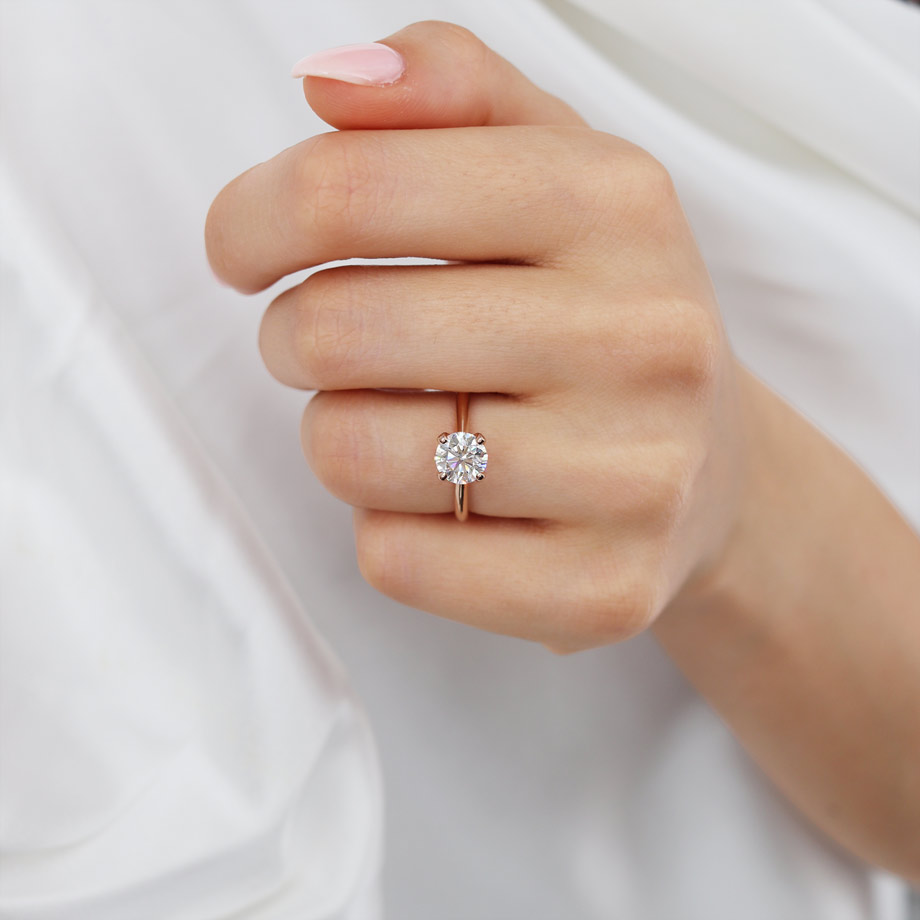
Look at the band, not just the whole ring
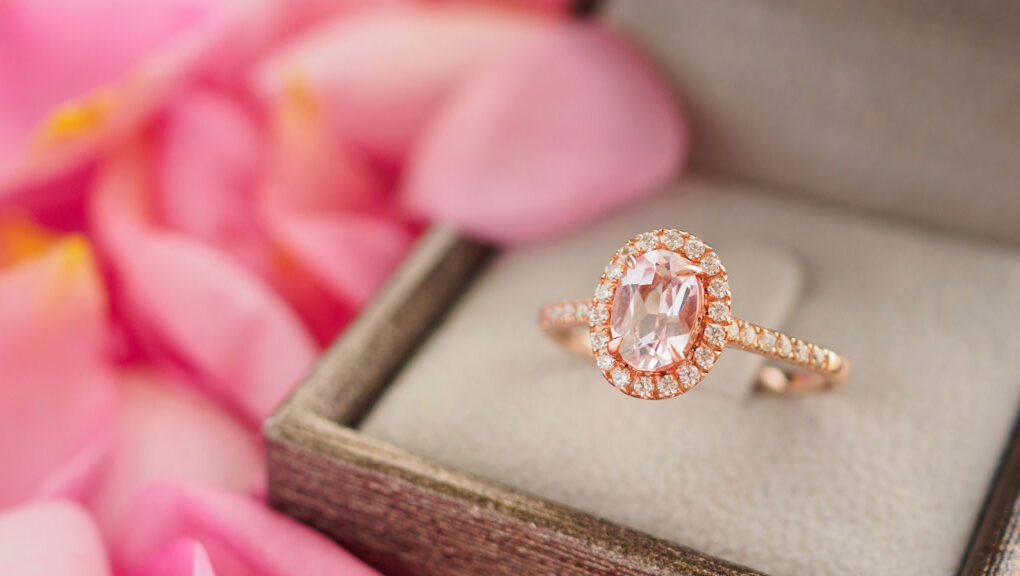
A coloured centre stone can dominate your impression of a ring. Lily Arkwright’s rose gold gemstone designs include the Grace solitaire with a round lab-grown pink sapphire in 18ct rose gold. Both the sapphire and the metal contribute pink tones, so look at a clear section of the band when judging the metal’s colour.
Compare pieces side by side in the same light, rather than switching between separate product images. An old photograph taken by a window and a current view under a warm lamp cannot reliably show whether the colour has changed. Turn the ring slowly in person and notice whether the difference affects the whole surface or one small area.
Dullness, patina and worn plating are different changes
A film of everyday oils and residue can reduce the shine of jewellery. Fine surface marks can also make a once highly polished band look less reflective. Neither observation, on its own, tells you that the pink metal has disappeared.
The copper in rose gold can develop a patina over time, changing the surface’s appearance. Some wearers enjoy that softer, lived-in appearance; others prefer a brighter finish. It is worth distinguishing this from a patch where plating has worn through to reveal a different metal underneath.
Describe the change plainly when speaking to a jeweller: “The whole band looks duller” is more useful than “It has faded.” So is “There is a pale patch underneath.” Mention when you first noticed it and any recent cleaning, repair or contact with chemicals. A photograph can help show the area, but an inspection may be needed to establish the cause.
Start gently, and include the gemstone in the care plan
Check the care instructions for the complete ring before trying to brighten the metal. The National Association of Jewellers advises taking account of gemstones and their treatments when cleaning, even when the gold itself seems straightforward to care for.
Where the instructions permit it, lukewarm water, a little mild washing-up liquid and a soft brush can remove ordinary build-up. Rinse carefully and dry with a lint-free cloth. Avoid abrasive household cleaners, and do not scrub harder because a patch remains. A ring with a loose stone or damaged claw needs professional attention first.
Before agreeing to polishing or replating, ask what the jeweller has found and what the proposed work will change. Cleaning away residue, restoring a polished finish and replacing a coating are different jobs. Request a quote for the work your ring actually needs.
A new rose gold band may never have been an exact match
A new wedding band looking pinker than your engagement ring does not prove the older ring has faded. Different alloy recipes can produce different shades from the outset. The gold carat tells you the gold content, rather than guaranteeing an identical colour across makers.
When choosing your wedding jewellery, take the engagement ring with you and compare both pieces on your hand. A close match may be your preference, but a slight difference can look good too. There is no reason to request refinishing simply to make two rings appear identical.
If your own ring has changed, establish whether you are seeing residue, surface wear or a coating problem before deciding what to do. That gives you a much more useful answer than treating every change as fading, and a better chance of keeping the finish you enjoy wearing.